Environmental and Health crisis in Thabong and surrounding communities
Thabo Ishmael Choledi
Jagersfontein, despite ongoing mining activities, has become a ghost town. Our community is trapped in poverty and unemployment, even though we live in a mining town. From its inception, this mining town has seen no real development. Instead, the locals have been subjected to exploitation and abuse at the hands of white miners, often facing severe punishment or even death for disobedience.
My research led me to uncover the tragic events of 1914, when 17 black miners were killed for going on strike in support of a colleague who had been murdered by white miners. Additional violence ensued, resulting in the deaths of 16 black mine workers at the hands of white police officers. Jagersfontein serves as a classic example of a mining town that, despite over 150 years of diamond mining, has experienced minimal long-term development. The community has reaped
few benefits from this rich history.
The town has instead become derelict and neglected due to a lack of development and corporate social responsibility. Signs of neglect include crumbling
infrastructure, pervasive poverty despite the presence of diamonds, and frequent changes in ownership. Due to the lack of regulation in mining activities, our community is suffering. This has contributed to rising rates of alcohol and drug abuse, leading to significant challenges such as crime, gender-based violence, and an increase in street children. The persistent lack of governance means that the mine continues to operate illegally, carrying over practices from the
apartheid era. Although the country has transitioned to democracy, our society remains in distress.
It is crucial that the mining industry is subject to regulation, with consistent inspections conducted on all mining activities. The law must hold mining companies accountable for negligence and ensure they contribute to community development by implementing Social Labour Plans (SLPs). Furthermore, mining companies should involve the community in decision-making processes through public consultation. Companies need to operate legally, complying with necessary regulations.
The Department of Mineral Resources and Energy must enforce its laws, requiring companies to invest in safety measures and community development.
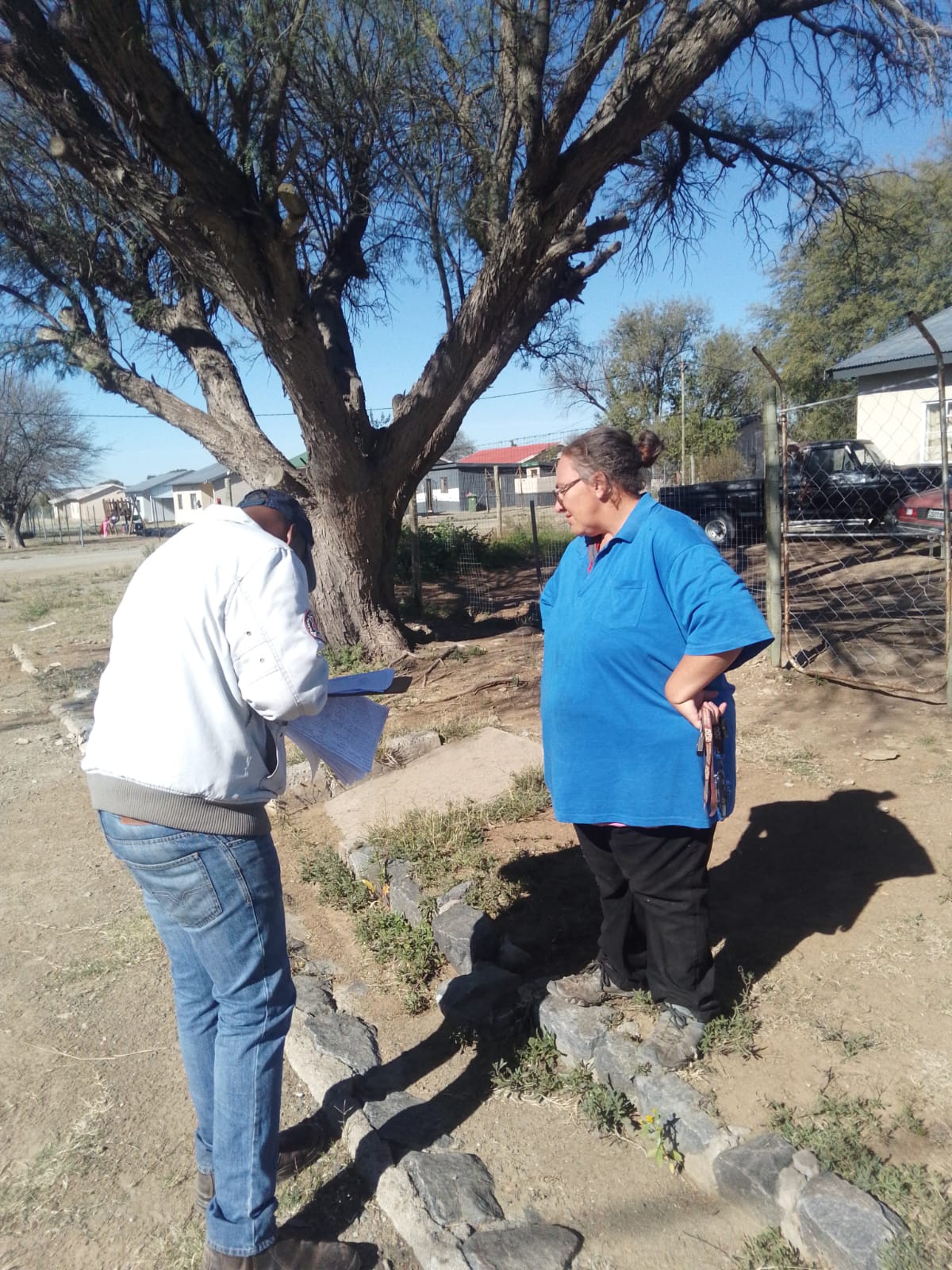
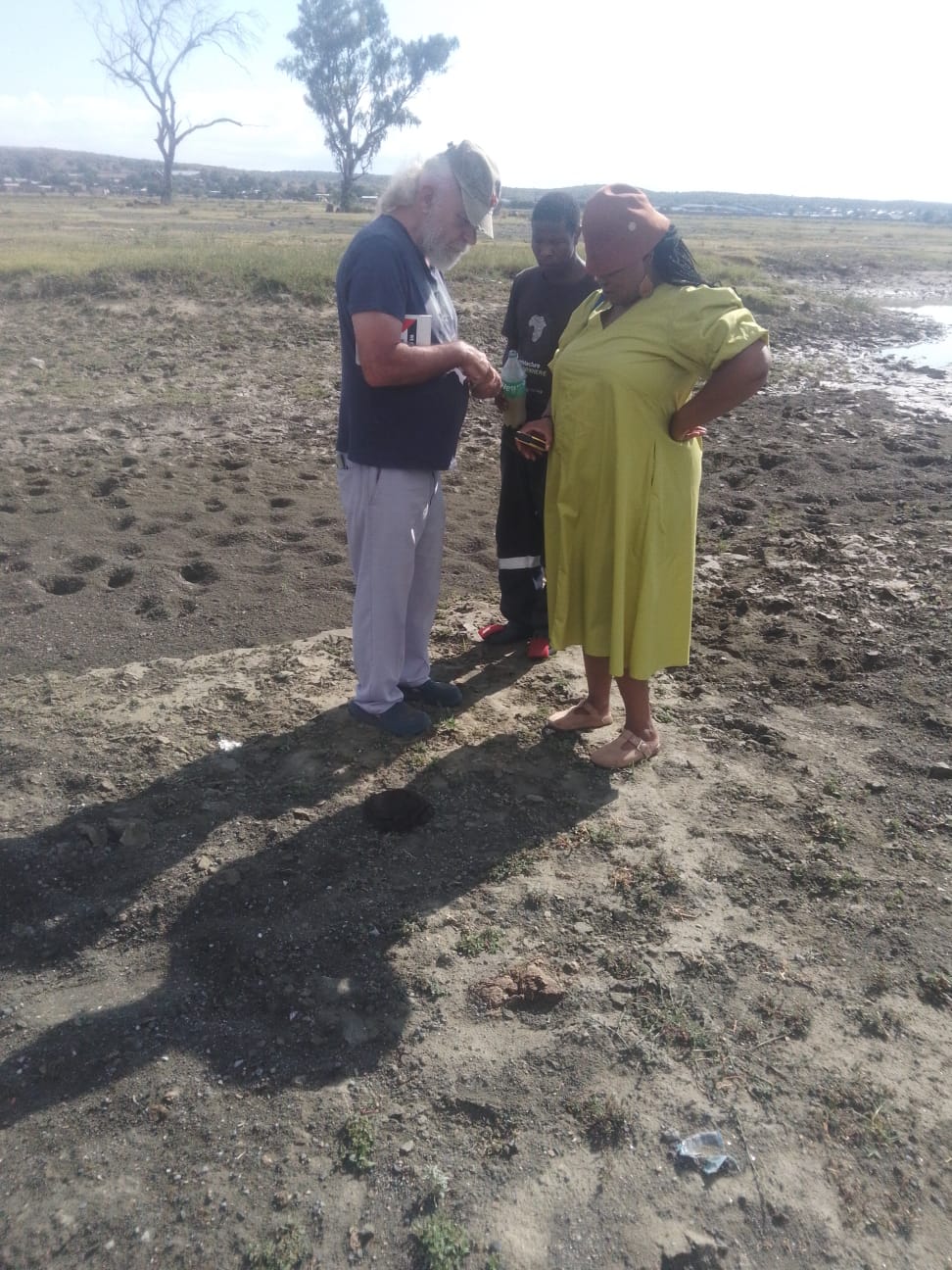
Residents should be empowered to exercise their legal rights to consult and report grievances. With the support of the Benchmarks Foundation, we conducted a community skills survey that highlighted the high rates of unemployment and poverty in our area. Many community members are skilled farmers but are not allowed to utilize their knowledge. The mine frequently hires workers from outside of Jagersfontein, which poses a significant challenge for our community’s future. Unemployment has led to an increase in crime, pushing our youth towards drug and alcohol abuse. Gender-based violence has become prevalent, and families are living in fear due to thefts that occur throughout the night. The police are struggling to combat this rising crime rate.
I interviewed several community members, including a man named Kelobogile Tolo, “who expressed that the mine is useless for the community and only benefits our politicians and government, who allow the mine to operate without regulations.” The consequences of this negligence are borne by the people, who are left in poverty with little support for children seeking education. We feel the mine serves the interests of the government rather than the community. I also spoke with Mrs. Nontjebo, the principal of the Rebone Lesedi creche in Charlesville. She explained that the creche was damaged during a mining disaster, drastically altering life for the community. The creche has struggled ever since, despite submitting claims for support.
We believe the mine benefits only a select few, primarily white individuals, at the expense of the local population. We are calling on our government to intervene and provide assistance in addressing these issues.