
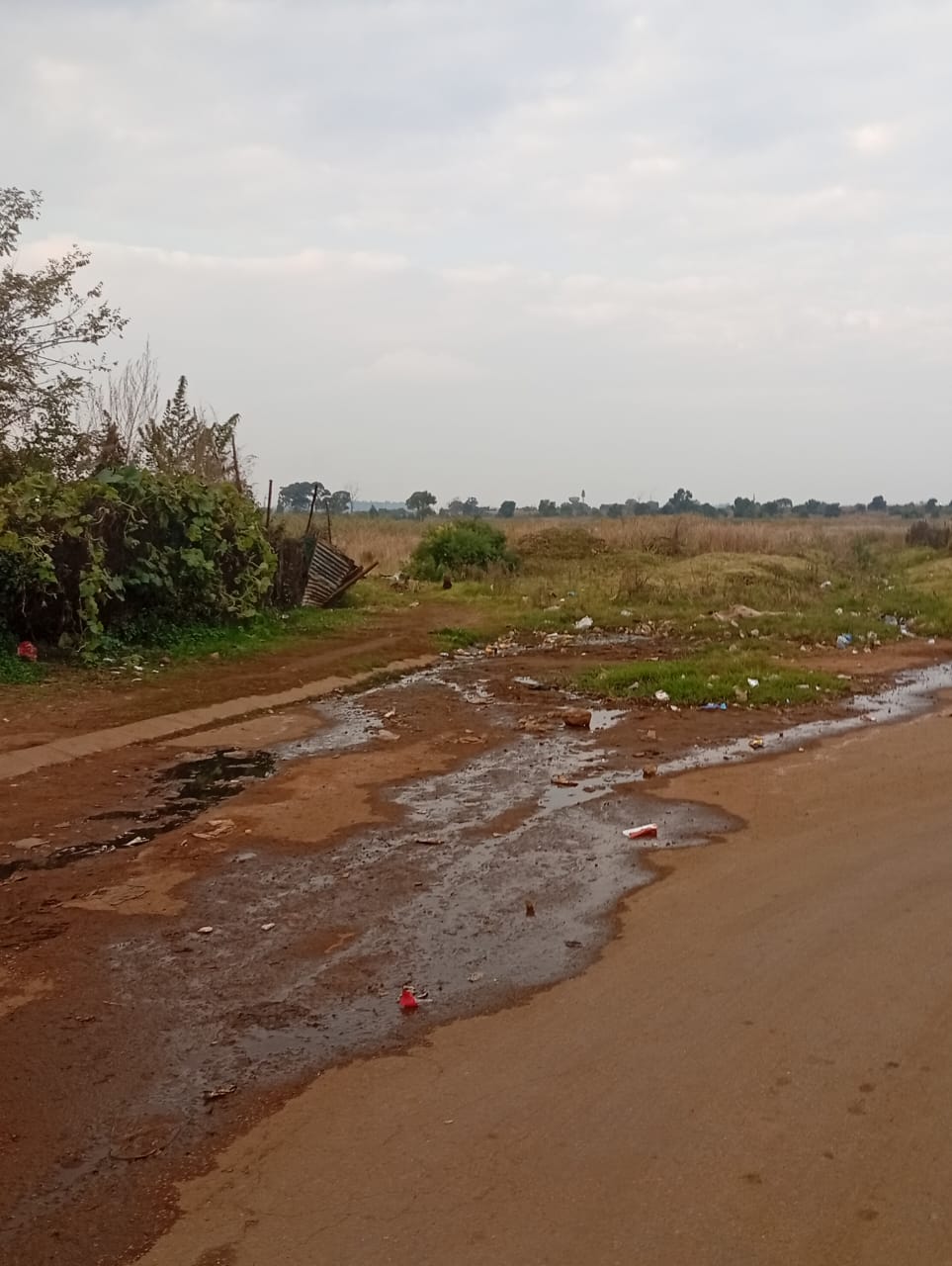
Informal Settlement Built on Top of a Mining Dump.
Annie K. Moota
Miss Martha and Miss Lizzy, residents of an informal settlement, are facing a dire situation. They live in a dumping area that lacks electricity and proper shelter, surrounded by foul-smelling, polluted water. When it rains, the stench becomes unbearable. Acidic water from mine tailings flows into their area, contaminating makeshift homes and washing away crops with harmful chemicals. The livestock that graze near this water often fall ill, and some even die, creating immense frustration for the community.
Miss Martha, 56, and Miss Lizzy, 55, have lived in Snake Park, Block 1, for over ten years, enduring conditions next to the mine tailings, where proper structures are non-existent, and they are surrounded by unpleasant-smelling water. Miss Lizzy previously confronted the councilor about the risks posed to children playing on contaminated playground equipment, but their concerns were disregarded.
Miss Lizzy recounted an incident where they approached the councilor regarding the dangers their children faced while playing on contaminated slides, but their concerns were never addressed. A local group, known as the Bambanini group, has been actively planting sunflowers in the area because these plants can thrive in contaminated soil containing metals like mercury and zinc.
The children frequently play in mud from this polluted water, putting them at considerable risk of various health issues, including tuberculosis, asthma, bone marrow problems, arthritis, poor eyesight, hair loss, and kidney issues. In the past, students from Wits University visited the settlement to collect hair samples from the children and test for contamination in the damp areas where they play. They advised the community to avoid playing in those contaminated areas.
Miss Martha emphasized the urgent need for government intervention. Installing storm drains for effective sewage management and having health inspectors monitor the area around Bambai would make a significant difference. Community health should be the top priority. Additionally, the wetlands need to be properly fenced and clearly marked to prevent construction, and children must be discouraged from playing in these wetlands.


