Freedom Without Justice: How Black Women Still Bear the Weight of Structural Oppression.
Girly Elizabeth Malatji
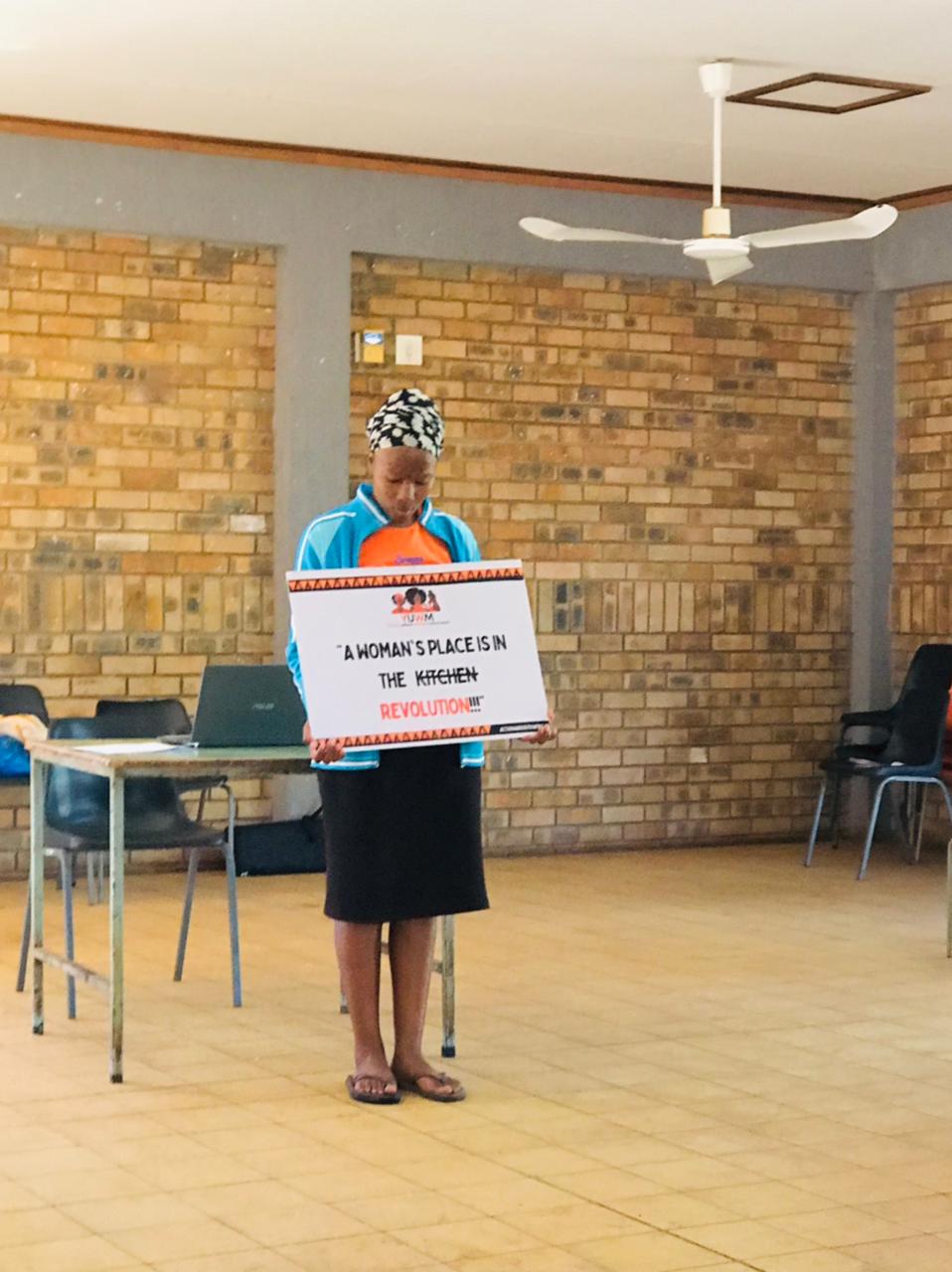
We had a session at Aletuke community centre where we got into the depth of the history of South Africa and how the history is affecting the current South Africa. We talked about three topics namely, the union of South Africa, apartheid and democratic South Africa.
The Union of South Africa was established in 1910 to govern in favour of the white minority. This union made sure that black people, coloureds, and Indians did not have political rights. Then there was racial segregation. The union was fundamentally a “white union”. This exclusion became the foundation of increased discrimination. Black women were forced to work as domestic workers and as white people’s slaves. The exclusion of black people from power led to the rise of an organized black opposition (the ANC in 1912).
The formal policy of apartheid was then introduced after 1948. Black people were restricted by Dom passes from walking freely on the streets. They were not allowed to stay in one place for a long time so as to deprive them from having a stable place to call home (land). Only black people stayed in rural areas and townships where there was no proper social services. Whites stayed in towns, they had everything they could ever ask for.
All the excluded races fought until Nelson Mandela became the first black president in 1994. Then South Africa achieved democracy. Some apartheid policies were amended so that they favour black people as well.This brings us to the current system. Is the so-called free/liberated South Africa really free or is it free only for the privileged?
In my opinion no, South Africa is still shaped by the colonial and apartheid ways. There’s still economic injustices, black women are still treated unequally at work places. There’s a high unemployment rate for the majority, the black South Africans. Women are doing unpaid care work. They do not get any kind of compensation. You can never find a white person staying at a village or township, they still thrive with the wealth they got during apartheid. Black people are still suffering the same problems of not having land and staying in areas with poor social services.
We were made to believe that the system is there to make our lives better as black people but the truth is that it doesn’t work for us. We need to come up with our own system. We can be creators and not end users. Black people have always been good with using their hands. We have great land in South Africa, agriculture should be our number 1 go to. Most of all we need to deal with the poverty of thought of a black person. Until we change our mind-set we’ll always be trapped in a system that will never work for us.