How I became an activist in my community
Koketso Sibanda
by Koketso Sibanda
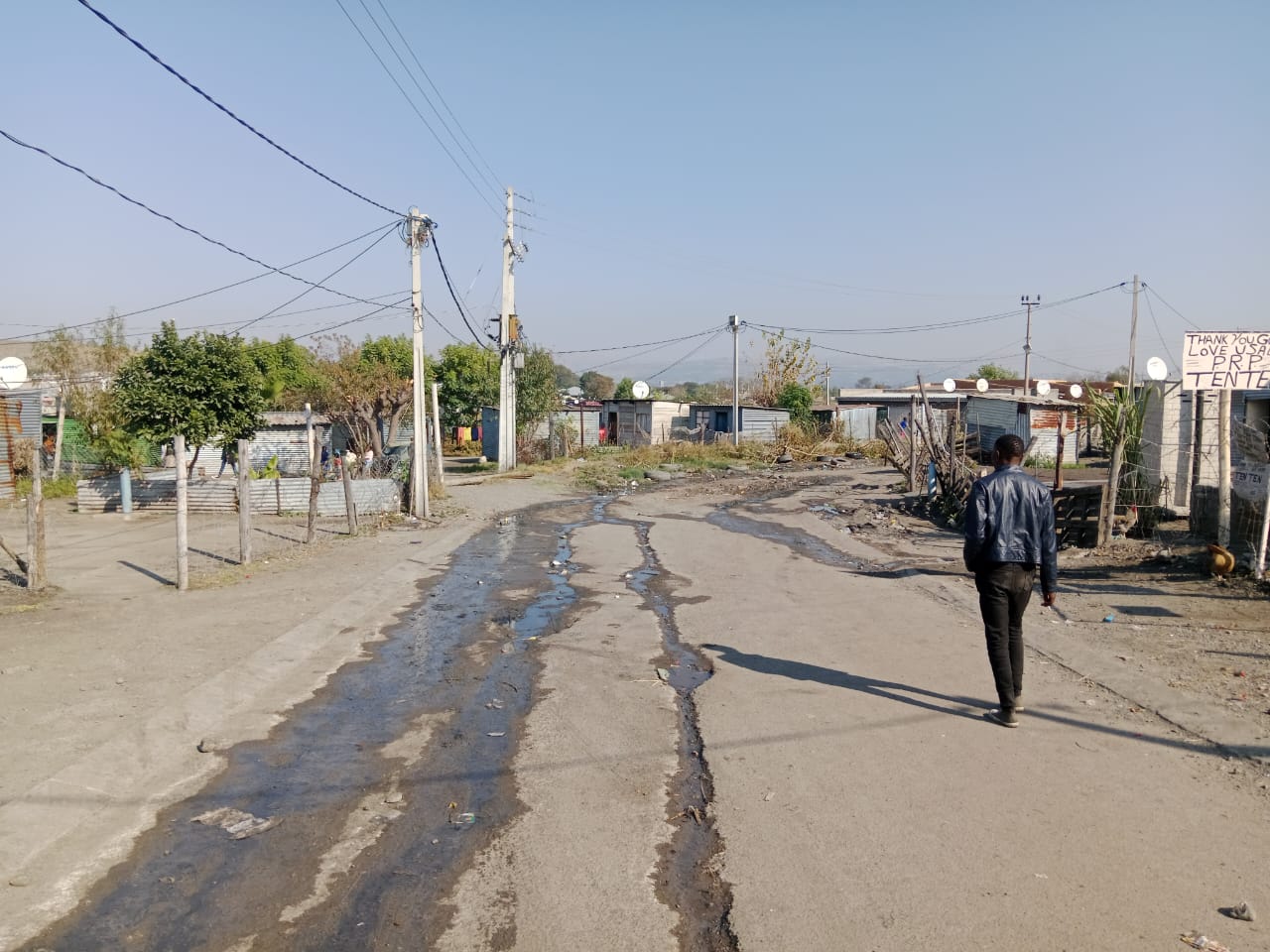
My name is Koketso Sibanda, and I come from a community called Wonderkop in Marikana, located in the North West province of South Africa. It is a place rich in history and resilience, but also deeply marked by struggle and inequality. I was born and raised in this area, just a few kilometres away from the Sibanye mine. Growing up in Wonderkop shaped my awareness of the world not only because of the people around me, but also because of what I saw happening to our land, our health, and our dignity.
I first began to notice injustice when I was still quite young. Living near the Sibanye mine, it became impossible to ignore how our community was being affected. The air was often filled with dust and chemical odours. Water from nearby sources wasn’t clean, and many people began to suffer from unexplained illnesses, including respiratory problems and skin rashes. What disturbed me the most was how normal it all started to feel, how we were expected to live in toxic conditions without question. I saw children playing near polluted streams, elders coughing through the night, and families losing loved ones without knowing the true cause. These were not just isolated problems; they were symptoms of a much larger system of environmental injustice and neglect.
The change I envisioned was simple, yet powerful: I wanted to see a community where everyone could breathe clean air, drink safe water, and live without fear of environmental harm. I wanted mining companies to be held accountable for their actions, and for government structures to protect our rights, not ignore them. I dreamed of a Wonderkop where our voices mattered and where development didn’t come at the cost of our health and future.
To begin making that vision a reality, I got involved in local awareness campaigns. I began documenting environmental issues, attending community meetings, and using social media to highlight what was happening. I partnered with organizations that focused on environmental justice and youth empowerment. I also helped to organize dialogues between residents and municipal officials. These actions were not always easy, and I often faced resistance, but staying silent was never an option.
The strength for my activism comes from my community and the land itself. Every time I see a child walking past the mine, every time I hear an elder talk about how things used to be, I am reminded why this work matters. My strength also comes from those who fought before me the workers of Marikana, the women who protest daily, the youth who demand better. They are proof that we are not powerless. We are the change we’ve been waiting for.