
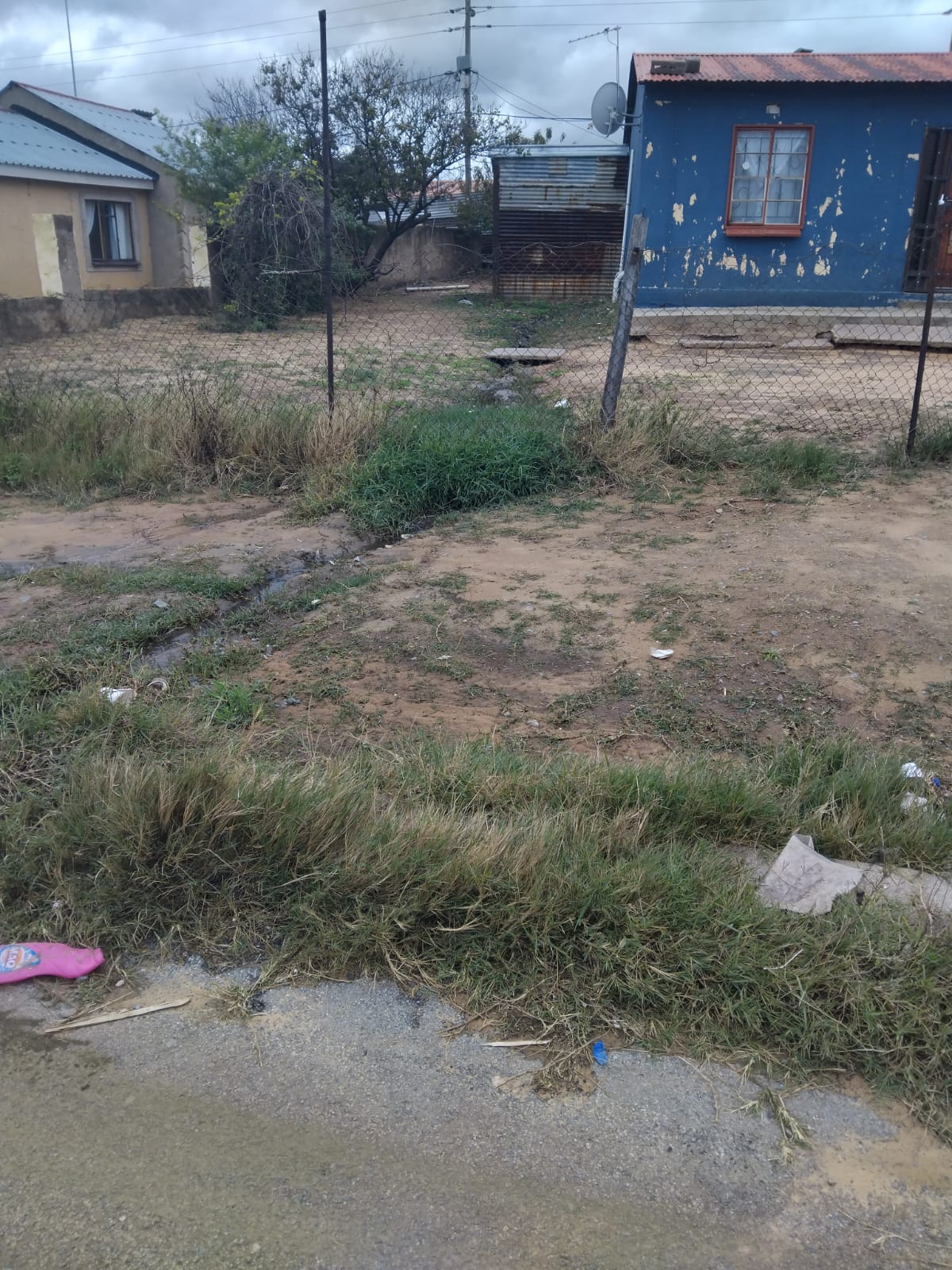
Living in the stench: How leaking sewage is making us sick
Ntombizodwa Oliphant
I can’t remember the last time my street didn’t smell like sewage.
This isn’t just something we see on the news and feel bad about for a moment; it’s our daily reality. We wake up to it, walk through it on our way to work, and try to ignore it when our kids play outside. The stench has become a part of our environment, making life much harder than it should be.
For most people in this community, the smell is just the beginning of the problem. The real issue is the impact it’s having on our health. At the local clinic, the same story plays out week after week: people come in with bad headaches, persistent coughs, and breathing problems. The doctors have noticed a pattern, too. Most of the patients live right next to the overflowing sewage and blocked drains.
Both children and adults are affected. Kids who should be running around outside are missing school because they can’t breathe properly. Parents are spending money they don’t have on temporary medications that only alleviate symptoms, while the root cause remains just outside their doors.
One woman, whose name I cannot disclose, shared her experience of feeling lightheaded, struggling to breathe, and suffering from constant headaches. During her visit to the doctor, she had to be put on oxygen for 30 minutes to help flush the toxins from the sewage out of her system.
We’re not asking for anything unreasonable. The municipality needs to replace the old, broken pipes that are leaking. Quick fixes aren’t enough anymore. For the families who are already sick, there must be real support, such as a monthly supply of medication and improved health services, so that people are not left to suffer alone.
As a community living near the sewage spill, we are forced to keep our doors and windows closed. Children no longer have a safe place to play. This spillage has caused numerous health issues, including respiratory problems, skin irritations, and constant headaches. Students have to take longer routes to school because the sewage obstructs their usual, shorter path.
It’s time for our community to have the basics: functioning pipes, clean air, and health services that genuinely help us.

