
Wonderkop Water Crisis: A Cry for Basic Human Rights
Moyisi Mtyaphi
Most communities in Wonderkop spend days, and sometimes even entire months, without a single drop of running water. Imagine waking up every single morning, getting your children ready for school, or preparing to go to work, only to find the taps completely dry. This is not a temporary inconvenience; it is the everyday reality for families who are forced to risk illness using water that is sometimes unclean or forced to have no water at all.
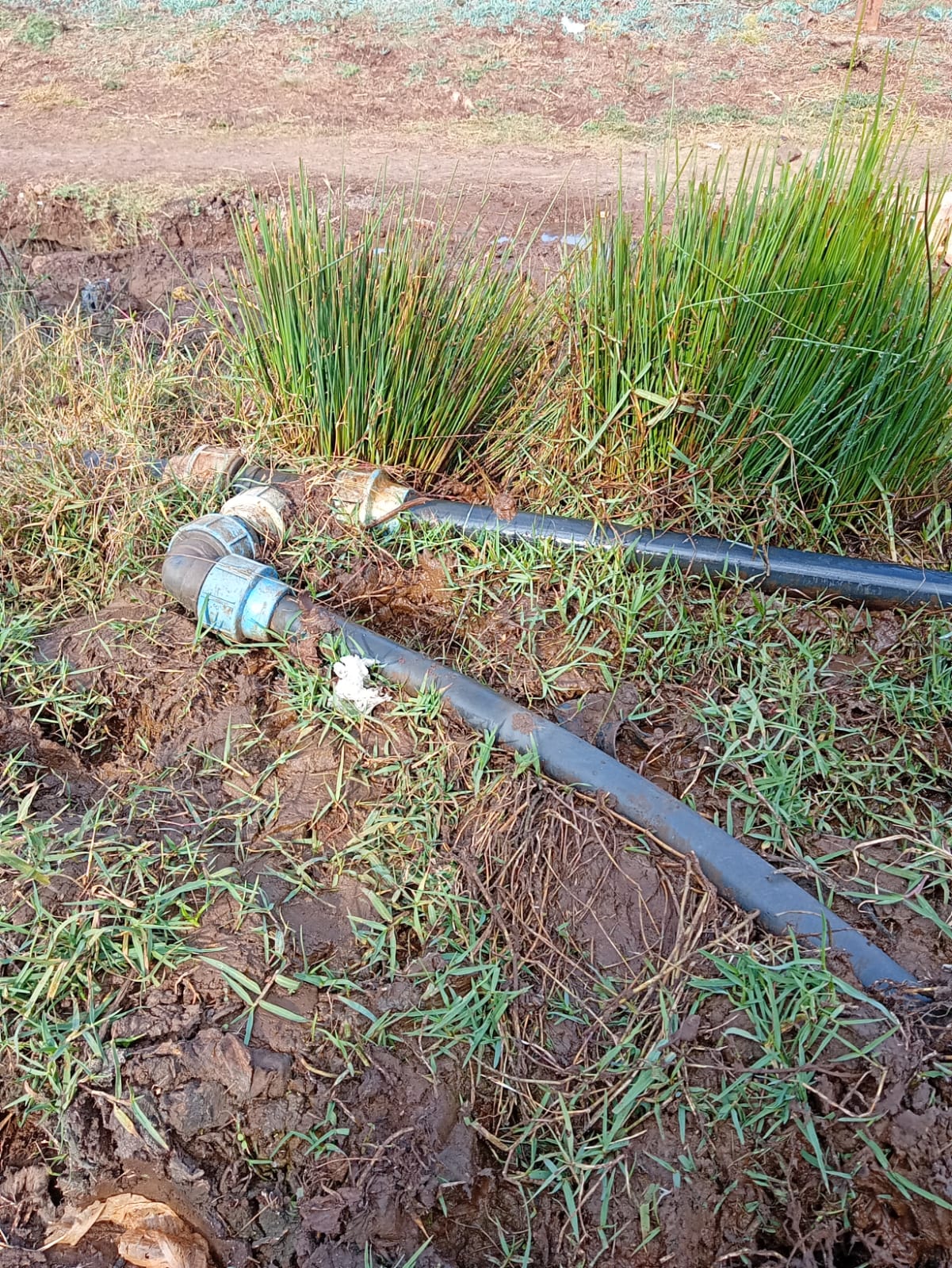
The community is currently facing a severe water scarcity crisis and deep inequality in the local water supply. The intermittent water supply in our villages is primarily caused by aging water infrastructure and a severely limited water utility system and is failing to keep up with demand. One of the residents hinted that the cause of this problem traces back to the old pipes, originally installed by Lonrho Mine, later maintained by Lonmin Mine, but were never renewed. Over time, these aging systems have become prone to severe soil blockages and interior rusting, which completely obstruct the flow of water. When water does run, it is only for a very limited time; sometimes, little water trickles out, and often, there is absolutely none at all.
This issue matters deeply because access to clean water is not a luxury, but a fundamental human right protected under Section 27 of the South African Constitution, as well as the United Nations. The current situation means our basic human rights are being actively violated. Both the Rustenburg Local Municipality and the local mining company, Sibanye-Stillwater, are failing to be socially responsible and accountable to the people in the community in which they operate. This ongoing failure heavily impacts children trying to go to school and workers who need water on a daily basis for basic sanitation and survival.
This water crisis has unfortunately become the accepted norm in many of our communities. The constant uncertainty of whether water will run or not has left families in a state of unstable anxiety that they must live with daily. As the winter season approaches, the reality of this hardship is becoming even harsher for the people of Wonderkop. Severe hygiene and sanitation problems are now a constant threat.
To understand the depth of this struggle, I interviewed a mother living in the Motseng section who said, “As it is winter now, water will totally be absent. The whole month could end without water. “Further compounding this daily struggle is a severe lack of structural storage capacity. I interviewed Thandeka Mfana, a dedicated community activist from the Wonderkop ward, who raised a critical concern regarding the local infrastructure. She explained that the entire expanding population of Wonderkop is forced to rely on just a single reservoir. This massive bottleneck heavily contributes to ongoing water shortages; one reservoir simply cannot maintain enough volume or pressure to distribute water fairly to the rest of the community.
During these prolonged dry spells, many desperate community members are forced to travel daily to nearby distant sections to fetch enough water to go about their day.
To deal with this broken, intermittent water system, we cannot sit back and wait. The community must organize itself and put direct, united pressure on the Rustenburg Local Municipality, local ward councilors, and the Sibanye-Stillwater mining company. These institutions must be held accountable for their lack of responsibility and be pressured to fix our old, failing water facilities, build new ones, and drastically improve infrastructure where it is needed most.
Real transformation will only happen through organized community pressure. Moving forward, the community needs to choose representatives, including responsible councilors who are truly committed to addressing this issue head-on. Furthermore, community activists must launch targeted awareness campaigns, partnering with established non-profit organizations like The Mvula Trust to strengthen our movement and ensure our demands for clean water are finally heard and acted upon.


